Category: Assignments

  • Ira Glasses Storytelling

    Introduction: Interpretation

    Ira Glass immediately differentiates audio storytelling from academic writing in storybook form. He states audio storytelling is built off of interconnected building blocks to gauge a listener gradually. This is contrast to a hook sentence and early world building in the first paragraph like a storybook.

    What builds a story?

    The anecdote is what building blocks are referring to which is just a sequence of actions. Its the description of “this happens which leads to this”. This is what’s impactful in a progression story.
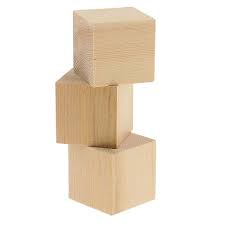
    Role Of Bait: Keep listeners engaged by constantly asking questions within the story. Normally ask in the beginning and answer said questions as there is progression.

    Momentum: Keeping a sequence of events that creates suspense gives the audience something to look forward. This leads to the next section of the story which allows continuous engagement. Even if said events or facts of the story are mundane, putting them in sequence and making it seem action packed keeps the attention gauge of the listener.

    Critical point and Discovery

    The storyteller giving the audience an explanation on the purpose of the story normally doesn’t happen in storybooks but in audio stories it marks a critical point in the story. It highlights the bigger ideas and it gives a chance for the listener to explore what they thought they knew listening to said story.

    Takeaways

    A successful and engaging story intertwines these different aspects within a story fluidly. The ‘nuggets’ are the sequences, the bait to maintain an audience, and the momentum to make listeners understand why they should care about the story being portrayed. The main goal is to have the story be meaningful to the audience and to give the audience something new to indulge in. The ultimate goal is to engage an audience, rather than just telling the story, as it is easier to hook an audience when you are reading it.

  • Design Blitz

    Introduction

    Design Blitz is not a challenge but an opportunity to look deeper when observing old photos or taking new ones. Instead of explaining what I see in an image, looking for different concepts helps me understand why I feel the way I do about said images. Finding concepts to further understand images gives a new set of introspection to photography.

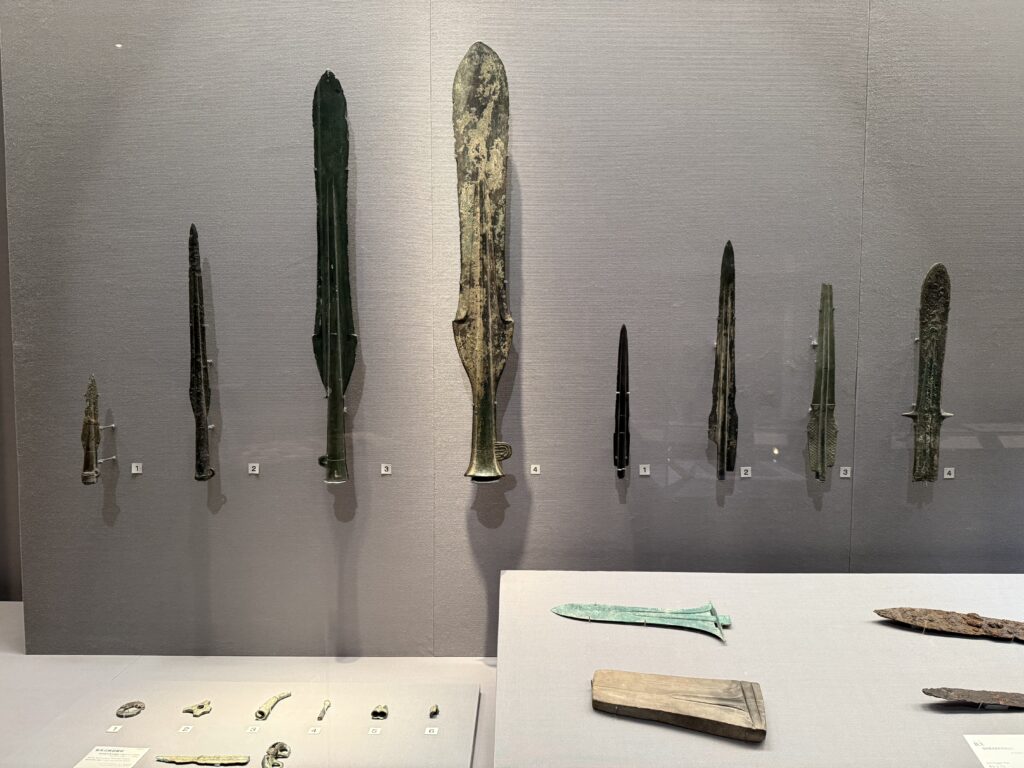
    1. Minimalist: Artifact Gallery

    For image 1, I went for a minimalist style because of the amount of white space that overtakes the frame. The design of the artifacts being displayed gives emphasis to them without taking away the significance of each one. The design feels clean and formal, like museums normally are. The information palettes explaining the artifact origins are also small, providing information without adding clutter to the area.

    2. Rhythm: Zoo Dome

    This picture of a zoo globe represents rhythm. What gave me that conclusion was the repeating patterns of the glass. My eyes track the lines of the design to the center of the dome, giving a central focus to the tubes in the middle and the landscape underneath. The multiple cylinder or shape patterns in the glass added appealing symmetry.

    3. Dominance: Lingering Swans

    The swans being so minimal yet eye-catching was interesting to me. When I took this photo, I originally observed the beauty of the reflection in the water and how blue it was. After further observation, I enjoyed how the swans fit naturally in the frame whilst complimenting the environment. The swans are integral; I feel it would be empty without them. A simple yet effective element in the frame.

    4. Proportion: Chaotic Destruction

    This picture of a drawing from an anime tells a story without any explanations. With this image I thought of more proportion but not because the clear size difference. The character being small with the destruction around him tells me, he was the cause of the destruction and how grand it is compared to him. The size of the large buildings engulfing space around the character also highlights how smaller elements influence how larger elements are perceived.

    Conclusion

    From doing this design blitz, I learned each concept has a role to build a bigger picture. I found it interesting how each image doesn’t have one sole concept to complete it. I feel each element helps sub-elements flourish, including smaller details and the story of an image. I also thought it was fun thinking of concepts when choosing these photos, as I came up with different interpretations of the images than what I had originally.

    Proportion